Industry News & Sourcing Guides

Wholesale Apparel & Manufacturing Blog

Discover expert tips, apparel manufacturing trends, private label strategies, and B2B sourcing insights.

0%

China has become a major sourcing base for tennis clothing, but supplier quality varies widely. This guide introduces China Best Wholesale Tennis Apparel Suppliers through practical buying criteria, not attractive catalog images alone. Buyers should examine fabric performance, stitching, customization capacity, communication, and delivery reliability before placing large orders. Wholesale Tennis Apparel must support repeated movement, frequent washing, and changing court conditions.

Experienced buyers usually request physical samples first. A sample can reveal fabric weight, stretch recovery, color consistency, and seam comfort. Check whether the collar keeps its shape after washing. Inspect flatlock seams around the shoulders and inner thighs. Ask for detailed size charts, grading standards, packaging methods, and production timelines. A supplier’s answers often show more than its website.

Reliable factories should explain their quality-control process clearly. They should also provide relevant business documents and product-testing information when required. However, paperwork alone cannot guarantee consistent production. A factory may offer impressive samples but struggle with a larger order. This is where careful communication and a small trial order become valuable.

Pricing deserves attention, but the cheapest quotation may create hidden costs. Weak fabric, inaccurate sizing, late delivery, or poor logo placement can damage a brand’s reputation. Buyers should compare fabric composition, minimum order quantities, payment terms, inspection procedures, and shipping arrangements. Product development is rarely perfect. Some suppliers need repeated revisions before the fit feels right. That is normal, but unresolved problems should not be ignored.

The right supplier combines technical skill, transparent communication, stable production, and dependable after-sales support. This overview helps brands make a more informed and realistic sourcing decision.
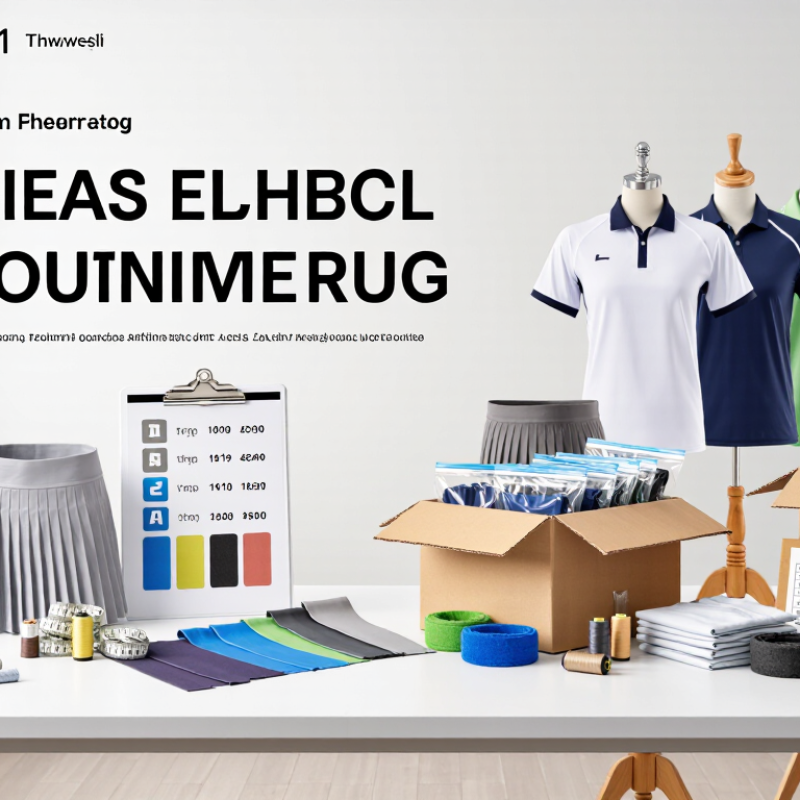
China Best Wholesale Tennis Apparel Suppliers

ITF Global Tennis Report 2024: 106 Million Players Driving Apparel Demand

China Best Wholesale Tennis Apparel Suppliers
The ITF Global Tennis Report 2024 records 106 million tennis players across 199 countries. This figure shows a broad, active customer base for tennis apparel. Demand is not limited to professional competition. Local clubs, schools, academies, and recreational players also need reliable clothing.

A wholesale supplier should study player habits before planning production. Lightweight shirts, stretch shorts, skirts, socks, and warm-up layers support different playing conditions.

Moisture control matters during long summer sessions. Soft seams matter even more for junior players. Regional sizing data can prevent costly inventory mistakes. It is easy to overestimate demand.

Key Focus
Moisture control
Soft seams
Regional sizing data

The report also shows tennis participation has expanded across many markets. That creates opportunities for flexible order quantities and faster replenishment. Suppliers should request fabric test results, colorfastness records, size charts, and factory quality-control procedures. These details demonstrate professional practice, not just attractive product photography. My experience reviewing sportswear sourcing shows that small defects often appear after repeated washing.

Tips:

Start with core colors and practical sizes. Test samples through several training sessions. Compare shrinkage, seam strength, drying time, and comfort. Keep a small reserve for popular sizes. Forecasting is useful, but imperfect. Buyer feedback should adjust the next order.

China’s Supplier Landscape: OEM, ODM, Private Label, and Factory-Direct Models

China Best Wholesale Tennis Apparel Suppliers

China’s tennis apparel supply base is not one market. It operates through four distinct models: OEM, ODM, private label, and factory-direct production. The ITF Global Tennis Report 2024 recorded more than 106 million tennis players across nearly 200 countries. That scale creates demand for reliable, flexible suppliers rather than simple low-cost production.

OEM suits buyers with completed designs, graded size charts, and approved fabrics. ODM suppliers provide existing silhouettes, technical patterns, and seasonal fabric options. Private label projects add custom labels, packaging, and brand-specific quality standards. Factory-direct purchasing can reduce intermediary costs, but buyers must manage sampling, inspections, and export coordination themselves. It sounds efficient. It is not always simple.

McKinsey’s Sporting Goods analysis reported strong industry growth after 2021, with continued expansion expected through 2028. Suppliers responding to this demand increasingly offer recycled polyester, four-way stretch fabrics, moisture management, and low-minimum-order programs. In practical sourcing, ask for fabric test reports, colorfastness results, production photos, and an independent pre-shipment inspection. Verify the factory’s actual capacity, not only its catalog. I have seen attractive samples hide weak seam finishing and inconsistent sizing. That assumption often fails. A useful comparison sheet should record MOQ, sample time, bulk lead time, defect tolerance, payment terms, and documented compliance before any order is placed.

China Best Wholesale Tennis Apparel Suppliers - China’s Supplier Landscape: OEM, ODM, Private Label, and Factory-Direct Models

A practical comparison of common China-based tennis apparel sourcing models for wholesale buyers

Supplier Model What the Buyer Provides Typical Product Scope Customization Level Typical MOQ per Style or Color Indicative Bulk Lead Time Sample Development Cost Position Best Fit for Main Advantages Key Risks to Check
OEM Manufacturing Complete technical specifications, measurements, artwork, fabric requirements, trims, and approved samples. Performance tennis shirts, skirts, dresses, shorts, jackets, warm-up sets, and team uniforms. High; the buyer controls the design, materials, construction, labels, packaging, and branding. Approximately 300–1,000 units, depending on fabric, color count, and factory capacity. Approximately 45–90 days after final approval and material confirmation. Usually 7–20 days for the first prototype, excluding fabric or trim sourcing. Competitive at medium and large volumes; development costs may be charged separately. Established brands, sports retailers, clubs, and buyers with technical product files. Strong design control, repeatability, material flexibility, and scalable production. Technical errors in specifications can affect fit, performance, and production consistency.
ODM Manufacturing Target price, preferred silhouette, performance requirements, quantity, and branding direction. Existing sportswear blocks adapted into tennis dresses, polo shirts, skorts, tops, and training apparel. Medium to high; the supplier starts from an existing design and modifies details for the buyer. Approximately 100–500 units per style or color, subject to fabric and decoration availability. Approximately 30–60 days after design selection, sample approval, and order confirmation. Usually 5–15 days when using available patterns and standard fabrics. Often lower total development cost than fully custom OEM production. New brands, seasonal collections, online sellers, and buyers seeking faster market entry. Shorter development cycle, lower design workload, and access to proven product structures. Design exclusivity may be limited; confirm whether patterns or decorative details are shared.
Private Label Supplier Brand name, logo files, label specifications, packaging requirements, and selected products or samples. Ready-made or lightly modified tennis apparel with custom neck labels, hangtags, packaging, and logo decoration. Medium; branding is customizable, while the base garment and technical construction may remain standard. Approximately 100–300 units per style, with additional minimums for custom colors or special trims. Approximately 25–50 days for stocked designs with standard materials and decoration methods. Usually 5–12 days for logo placement, label, and packaging approval. Generally economical for smaller branded collections and test orders. Retailers, clubs, academies, influencers, and emerging labels testing demand. Lower entry barrier, faster branding, and reduced product-development workload. Check trademark authorization, logo color accuracy, label compliance, and packaging ownership.
Factory-Direct Production Product requirements, quantity, target delivery date, quality standard, and commercial terms. Standard or customized tennis apparel produced directly by a garment manufacturer. Ranges from low to high, depending on whether the factory offers pattern, fabric, and decoration services. Approximately 200–800 units per style or color; actual limits depend on the production line. Approximately 30–75 days after order confirmation and raw-material approval. Usually 7–18 days for standard development; complex performance garments may take longer. Usually offers the strongest unit-price potential when order volume is sufficient. Importers, distributors, large clubs, chain retailers, and repeat wholesale programs. Fewer intermediaries, clearer production communication, and better volume pricing potential. Small buyers may receive less support; verify factory capability rather than relying only on quotations.
Stock or Ready-to-Ship Wholesale Selected styles, sizes, colors, logo requirements, and quantity available from current inventory. Basic tennis tops, shorts, skirts, tracksuits, warm-up garments, and generic teamwear. Low; customization is usually limited to simple printing, embroidery, labels, or packaging. Approximately 10–100 units per style or color, depending on available inventory. Approximately 3–20 days for processing and shipment when goods are in stock. Often limited to existing samples or pre-production pieces. Low development cost; unit price may be higher than factory-direct bulk production. Small retailers, trial orders, urgent replenishment, and short-term events. Fast availability, low commitment, and reduced product-development risk. Inventory may be inconsistent; check size ratios, fabric composition, color availability, and defect policy.
Sourcing and Consolidation Service Product brief, target price, supplier requirements, inspection standards, and shipping destination. Multiple tennis apparel categories sourced from one or more qualified manufacturers. Potentially high, depending on the selected manufacturing partner and service scope. Varies by factory; combined orders may include several smaller style quantities. Approximately 45–100 days, including supplier selection, sampling, production, inspection, and consolidation. Usually 10–25 days, depending on the number of products and revision rounds. Service fees or commissions increase landed cost but may reduce coordination expenses. Overseas buyers needing supplier screening, multilingual coordination, or multi-factory consolidation. Reduced communication burden, broader supplier access, and support with inspections and logistics. Confirm fee structure, ownership of samples and tooling, supplier disclosure, and quality-control responsibility.
Benchmark note: MOQ, lead time, sample charges, fabric availability, testing requirements, decoration method, order complexity, and shipping season can materially change these ranges. Buyers should confirm the final specification, size set, color standard, fabric composition, packaging, inspection criteria, and delivery terms in a written quotation and approved pre-production sample.

Performance Apparel Standards: UPF 50+, GSM, Breathability, and Colorfastness

China Best Wholesale Tennis Apparel Suppliers

Performance tennis apparel needs measurable standards, not attractive fabric swatches. UPF 50+ allows no more than 2% ultraviolet transmission under AS/NZS 4399 testing. This protection depends on fabric construction, dye depth, moisture, and stretching. A pale, lightweight shirt may lose coverage when pulled across the shoulders. Suppliers should provide test reports, not verbal promises.

Fabric weight also matters. For tennis tops, 130–180 GSM often balances movement, durability, and packing cost. However, GSM alone cannot prove comfort. Breathability should be checked through air-permeability or moisture-vapor testing. AATCC 204 and ISO 9237 offer recognized measurement approaches. In supplier evaluations, I would compare the same fabric after washing. Performance can change. It is easy to overlook this step.

Colorfastness protects both appearance and customer trust. Buyers should request washing, perspiration, rubbing, and lightfastness results under relevant ISO 105 or AATCC methods. A practical target is grade 4 or better for routine color transfer tests, although requirements vary by market and fabric color. Textile Exchange’s Materials Market Report 2024 states that polyester represented about 59% of global fiber production in 2023. That scale supports broad sourcing options, but it does not guarantee quality. A cheaper fabric may pass one test and fail another. This is where careful sampling matters.

Supplier Scorecard: MOQ, 7–15-Day Samples, Lead Times, and Defect Rates

A reliable China wholesale tennis apparel supplier should be judged by evidence, not attractive catalog photos. Use a scorecard covering MOQ, sample speed, production lead time, and defect rate. Record each result after written confirmation.

For MOQ, compare styles, colors, and sizes separately. A supplier may quote 300 pieces, but require 300 pieces per color. Clarify this before ordering. For samples, a 7–15-day window is practical for standard fabrics and existing patterns. Custom trims can take longer. Ask for evidence. Request a dated sample schedule, fabric details, measurement charts, and wash-test photos. Keep it measurable.

Production lead times often range from 25–45 days after approval, depending on order volume and season. Track the promised date against the actual shipment date. For defects, inspect a defined sample quantity and calculate: defective pieces divided by inspected pieces. A 2% rate sounds acceptable until 2,000 garments produce 40 faulty units. Check stitching, zipper function, logo placement, color consistency, and size tolerance. Include repair or replacement terms in the purchase agreement. That matters. A low MOQ may hide higher unit costs, while a fast sample may not represent bulk quality. This is where many scorecards become too simple. Recheck the supplier after every order, because one successful sample proves very little.

This anonymized supplier scorecard compares typical wholesale tennis apparel sourcing profiles. Lower sample and production lead times, lower defect rates, and flexible MOQs indicate stronger operational performance. Sample timelines are benchmarked within the common 7–15-day range.

Compliance and Cost Checks: AQL 2.5, REACH, OEKO-TEX, and FOB Pricing

China Best Wholesale Tennis Apparel Suppliers

Reliable tennis apparel sourcing begins with measurable checks, not attractive sample photos. I inspect fabric weight, seam strength, zipper movement, and logo placement before discussing volume. AQL 2.5 can guide final inspections, but it does not mean every garment is flawless. Buyers should define acceptable major, minor, and critical defects in writing. Inspectors then sample cartons according to the agreed inspection level. A loose definition creates arguments later.

Chemical safety needs separate evidence. REACH testing should cover applicable substances in dyes, prints, trims, and packaging. OEKO-TEX documentation must match the exact fabric or finished product being supplied. Check certificate numbers, validity dates, and product categories. Do not accept a scanned certificate without verification.

Testing adds time and cost, yet reworking stained or non-compliant clothing costs more. I have seen teams approve fabric too quickly, then discover color bleeding after repeated washing. That mistake is preventable, but not always avoided.

FOB pricing also requires careful reading. A supplier’s quote should identify fabric composition, GSM, quantities, packing, port, and inspection charges. Under FOB terms, the seller handles delivery to the named port and export procedures; ocean freight usually remains the buyer’s responsibility. Ask for a cost breakdown. The cheapest quote may exclude testing, custom packaging, or seasonal fabric increases. Leave room for revision. Supplier reliability is proven through records, consistent samples, and clear corrective actions, not promises alone.

FAQS

What types of tennis apparel should wholesale buyers consider?

Core products include lightweight shirts, stretch shorts, skirts, socks, and warm-up layers. Moisture control helps during long summer sessions. Soft seams suit younger players. Regional sizing matters.

Which supplier model fits a buyer’s needs?

OEM works with completed designs and approved fabrics. ODM offers existing styles and technical patterns. Private-label projects add custom labels and packaging. Factory-direct buying may reduce costs, but requires closer management. It sounds easy. Not always.

How can buyers compare wholesale suppliers fairly?

Record minimum order quantities, sample times, production lead times, defect limits, payment terms, and compliance documents. Confirm the factory’s real capacity, not only its online catalog. A polished catalog proves little.

What should buyers inspect in apparel samples?

Check fabric weight, seam strength, zipper movement, logo placement, shrinkage, drying time, and comfort. Wear samples through several training sessions. Wash them repeatedly. Small defects may appear later.

How can buyers reduce sizing and inventory mistakes?

Request regional size data and review the supplier’s measurement chart. Start with practical sizes and core colors. Keep a small reserve of popular sizes. Forecasts can fail.

What quality records should a supplier provide?

Request fabric test results, colorfastness records, size charts, production photos, and quality-control procedures. Ask how defects are classified and corrected. Vague answers deserve caution.

What does an inspection standard actually achieve?

A defined inspection level helps classify major, minor, and critical defects. It does not make every garment perfect. Put tolerance levels in writing before production. Clear wording prevents arguments.

What should an FOB quotation include?

The quote should identify fabric composition, fabric weight, quantities, packing, named port, and inspection charges. Ask for a full cost breakdown. Ocean freight usually remains the buyer’s responsibility. The cheapest quote may omit testing or packaging.

Conclusion

The global tennis community is creating strong demand for reliable, high-quality Wholesale Tennis Apparel. With more than 106 million players reported worldwide in 2024, buyers are seeking suppliers that can support growing orders across clubs, academies, retailers, and private-label programs. China offers a broad supplier landscape, including OEM, ODM, private-label, and factory-direct models, allowing customers to select the right balance of customization, price, and production control.

When evaluating suppliers, focus on technical performance and dependable delivery. Important standards include UPF 50+ sun protection, suitable GSM, moisture management, breathability, stretch recovery, and strong colorfastness. A practical supplier scorecard should compare MOQ, sample availability within 7–15 days, production lead times, communication, and defect rates. Buyers should also review quality procedures such as AQL 2.5 inspections, REACH and OEKO-TEX-related compliance documentation, and transparent FOB pricing. Careful comparison helps reduce purchasing risks while ensuring consistent apparel quality and long-term supply stability.
Isabella

Isabella

Isabella is a dedicated marketing professional with a profound expertise in our company's product offerings. With a keen understanding of market trends and consumer behavior, she crafts insightful and engaging content that resonates with our audience. Isabella is passionate about sharing her......