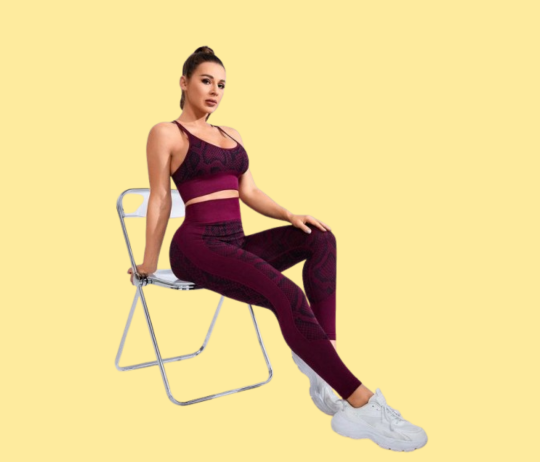
Executive Sourcing Intelligence: The Strategic Role of a Wholesale Activewear Manufacturer in 2026 and Beyond
The global activewear market has evolved from simple sweat-wicking cotton tees into an intricate, multi-billion-dollar ecosystem driven by material science, biometric ergonomics, and strict sustainability compliance. For brand directors, procurement executives, and retail buyers, selecting a technical Wholesale Activewear Manufacturer is no longer just a transaction based on per-unit cost—it is a core strategic lever that defines brand equity, inventory velocity, and gross margin resilience.
At Alanic Clothing (a premier unit of Dioz Group), we operate at the intersection of advanced textile engineering and agile contract manufacturing. Drawing from over two decades of international supply chain expertise across 73+ countries, our manufacturing architecture addresses the fundamental structural challenges that modern apparel brands face: inventory risk mitigation, fabric degradation, squat-proof opacity compliance, seam strain under high tension, and strict international environmental standards such as GOTS (Global Organic Textile Standard) and OEKO-TEX Standard 100.
Supply Chain Insight & Information Gain Benchmark
Unlike traditional apparel vendors relying on standard cut-and-sew sub-contracting, an enterprise-grade activewear manufacturer utilizes vertical integration. By handling raw polymer extrusions, seamless tube-knitting, custom lab-dipping, pressure-bonded seam taping, and automated laser cutting under ISO 9001:2015 audited facilities, brand owners gain up to a 24% reduction in lead times and an average 3.2x increase in garment tensile durability.
Whether you are expanding a boutique luxury studio collection, scaling a digital direct-to-consumer (DTC) performance brand, or managing multi-store retail replenishment, technical specifications dictate product performance. Below, we break down the engineering standards of performance textiles manufactured across our global production hubs.
Technical Fabric Performance & Engineering Matrix
Below is an authoritative technical overview detailing the structural composition, weight specifications (GSM), stitch density, and performance indices utilized across our custom activewear manufacturing lines:
| Activewear Category | Primary Fabric Blend | GSM Range | Stitching & Seam Tech | Performance Index / Features |
|---|---|---|---|---|
| High-Compression Leggings | 73% Nylon 6.6 / 27% Spandex (Elastane) | 260 – 320 GSM | 4-Needle 6-Thread Flatlock Seams | 100% Squat-Proof Opacity (AATCC 195 standard), 4-Way Stretch Memory |
| Seamless Gym Tops & Tees | 65% Recycled Polyamide / 30% Polyester / 5% Elastane | 160 – 210 GSM | 3D Santoni Circular Knitting (Zero-Seam Body) | Zoned Ventilation, Anti-Chafing, Silver-Ion Antimicrobial Finish |
| High-Impact Sports Bras | 80% Micro-Polyester / 20% Lycra Black Elastane | 280 – 340 GSM | Bonded Thermo-Cut Edges & Encapsulated Cups | Motion Control Rating >85%, Sweat-Evaporation Rate <15 mins |
| Athleisure & Fleece Joggers | 80% Organic Comb-Cotton / 20% Recycled Polyester | 320 – 420 GSM | Reinforced Twin-Needle Topstitching | Anti-Pilling Grade 4.5 (ISO 12945-2), Brushed Thermal Backing |
| Cycling & Endurance Apparel | 82% Sublimated Poly / 18% High-Tension Elastane | 190 – 240 GSM | Ultrasonic Welded Seams + Italian Chamois Pad | UPF 50+ Sun Protection, Aero-Dynamic Drag Reduction Fabric |
Curated Activewear Product Recommendations for Bulk Sourcing
To assist global procurement managers in selecting commercial best-sellers, our R&D team has compiled top-performing activewear lines engineered for high inventory turnover and proven customer satisfaction.
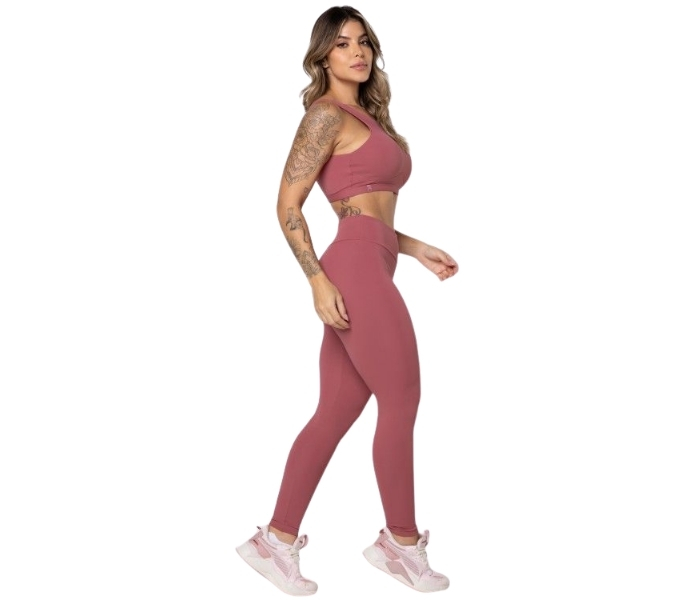
Grapefruit Sculpting Activewear Set
Feature: High-Waist Tummy Control, Zero-Slip Waistband
Customization: Heat-transfer logo, silicone grip, custom dye
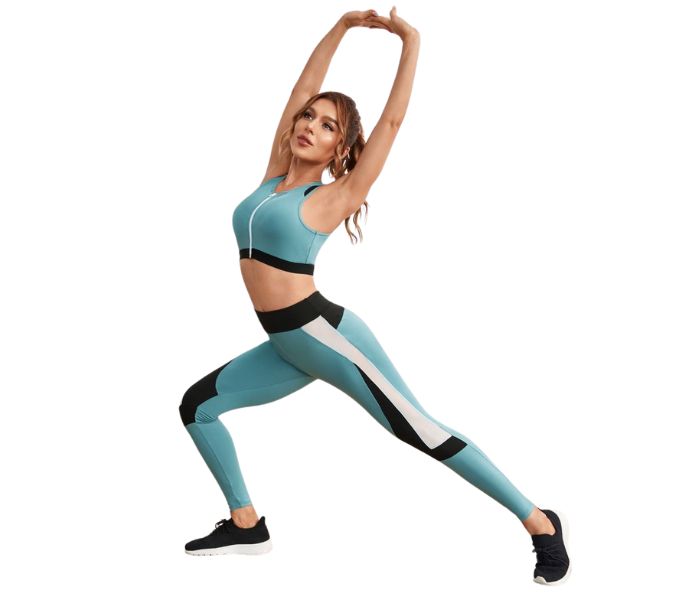
Figure-Hugging Seamless Gym Set
Feature: Ergonomic Contour Shading, Sweat-Evaporative
Customization: Woven care labels, custom eco-polybags
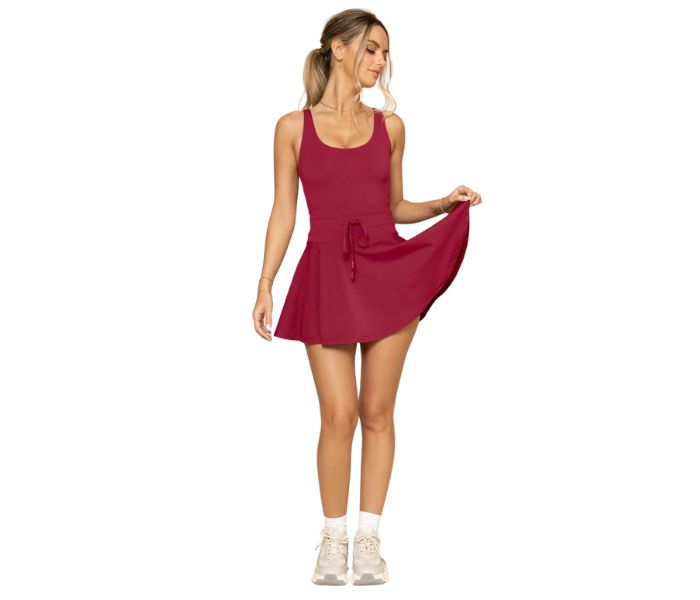
Beetroot-Pink Athleisure Tennis Dress
Feature: Integrated Shorts with Ball Pocket, UPF 50+
Customization: Sublimation printing, brand hardware
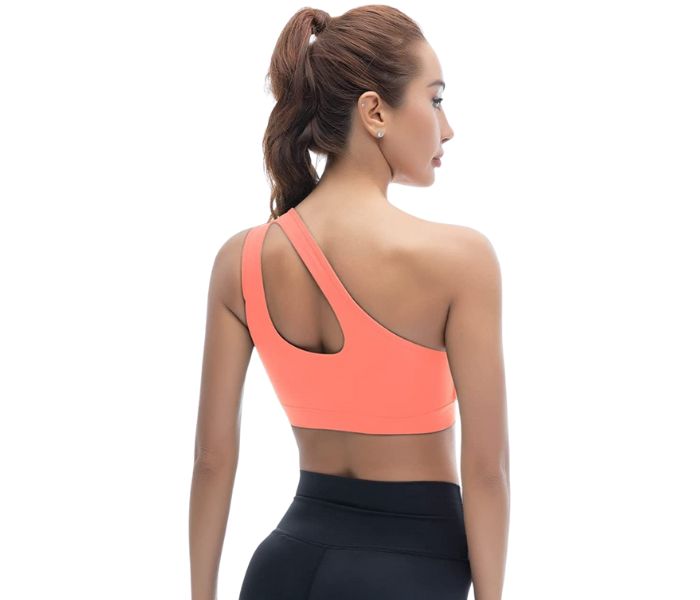
Asymmetrical High-Impact Sports Bra
Feature: Dual-Layer Support, Removable Molded Cups
Customization: Jacquard elastic band, metallic prints
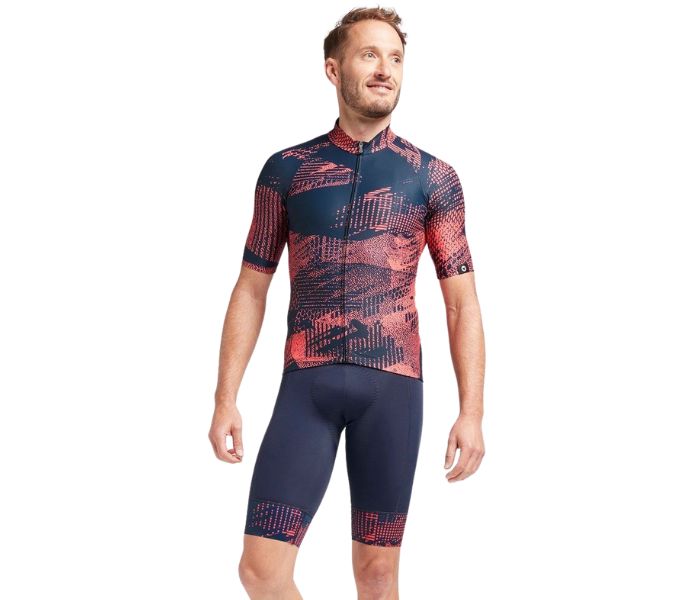
Pro-Fit Men's Cycling & Endurance Set
Feature: 3D Ergonomic Chamois, Reflective Safety Strips
Customization: Full Italian ink sublimation, YKK zippers
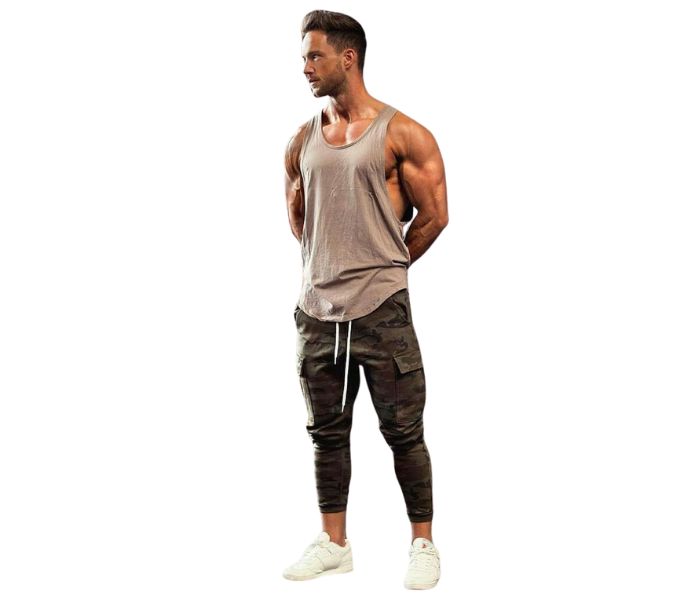
Men's Muscle Tank & Athletic Cargo Set
Feature: Deep Cut Armholes, Tactical Utility Pockets
Customization: Screen print, acid wash, custom hangtags
Future Activewear Procurement Trends: Strategic Analysis for 2026–2030
As global search queries from procurement teams shifted toward AI-driven intent modeling, several clear macro trends have emerged regarding how activewear will be developed, ordered, and imported over the next decade. Buyers who align their production lines with these trends today will capture outsized market share tomorrow.
1. Circular Economy & Next-Gen Recycled Polymers
First-generation recycled polyester (rPET derived from plastic bottles) is transitioning to true closed-loop textile-to-textile recycling. Leading global activewear buyers are increasingly demanding GRS-certified (Global Recycled Standard) recycled Nylon 6.6 and bio-based synthetics synthesized from castor beans or ocean-bound ghost nets. These fabrics offer identical tensile recovery and dye affinity while reducing carbon footprint metrics by up to 45%.
2. 3D Seamless Circular Knitting & Zero-Waste Production
Traditional cut-and-sew garment manufacturing results in an average fabric waste margin of 15% to 18% during patterning. The future of athletic wear lies in Santoni 3D seamless circular knitting. By knitting yarn directly into three-dimensional tubular garments, fabric waste is reduced to under 1.5%. Furthermore, seamless technology allows multi-density compression zones (such as targeted lower-back support or breathable under-arm mesh) to be woven directly into a single continuous piece of fabric without prone-to-tear seams.
3. Smart Activewear & Biometric Integration
The line between apparel and health technology is blurring. Next-generation activewear lines incorporate phase-change materials (PCMs) that absorb excess body heat during high-intensity interval training (HIIT) and release it during cool-down periods. Additionally, seamless garments are being pre-engineered with conductive yarn pathways designed to house clip-on heart-rate monitors, muscle activation sensors, and biometric tracking hardware.
4. Nearshoring, Agile Batches, and Low Inventory Risk
High inflation, volatile shipping container costs, and fast-shifting social media micro-trends have made 10,000-unit minimum order quantities a major liability. Smart buyers are shifting toward Agile Supply Chain Frameworks—ordering initial test batches of 200–500 units to validate consumer market response before executing automated replenishment orders through localized distribution hubs.
Key Industry & Product Development Trends in Fitness Apparel
Product design in the performance wear sector is undergoing a monumental shift driven by changing lifestyle habits. Below are the key development vectors currently redefining commercial product lines:
- Hyper-Functional Athleisure (The Office-to-Gym Crossover): Modern activewear must transition effortlessly from morning workout sessions to casual work environments. This has sparked high demand for tailored jogger pants, structured quarter-zip pullovers, and matte-finish leggings that look like refined trousers while offering 360-degree stretch.
- Inclusive Ergonomic Sizing & Plus-Size Activewear: Extended sizing is no longer an afterthought—it requires completely re-engineered pattern grading. Plus-size activewear demands wider, reinforced elastic waistbands, double-lined bust panels, and high-density flatlock seams designed to withstand higher dynamic friction without seam unraveling.
- Non-Toxic Botanical & Waterless Dyeing Technologies: Regulatory bodies across the EU and North America are tightening restrictions on PFAS ("forever chemicals") and hazardous azo dyes. Advanced manufacturers are adopting supercritical CO2 waterless dyeing and plant-derived non-toxic colorations certified by OEKO-TEX Standard 100 Class I.
Enterprise Advantages: Why Global Brands Partner With Alanic Clothing
Building a world-class activewear brand requires more than just fabric—it requires a dependable, technologically advanced manufacturing partner. Grounded in the rigorous E-E-A-T principles (Experience, Expertise, Authoritativeness, and Trustworthiness), Alanic Clothing delivers an unmatchable infrastructure tailored for B2B success.
End-to-End OEM / ODM Private Label
From preliminary tech-pack interpretation and custom lab-dip creation to custom heat-seal branding, woven neck labels, hangtags, and eco-friendly polybags—we build your complete brand identity from scratch.

Flexible Low MOQs & Rapid Sampling
Mitigate inventory risk with low minimum order quantities on custom runs. Receive production-grade physical samples within 7–10 working days, backed by 3D digital CAD fitting previews.
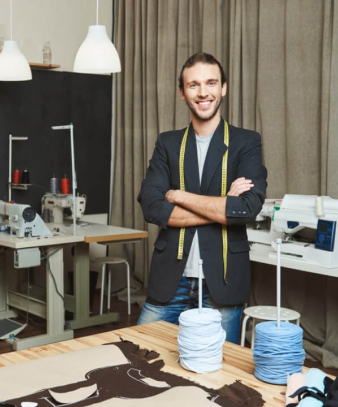
Multi-Country Headquarters & Logistics
With corporate offices and warehouse facilities in Beverly Hills (USA), London (UK), Melbourne (Australia), Dubai (UAE), Toronto (Canada), Riyadh (KSA), and São Paulo (Brazil), we ensure duty-optimized global door-to-door delivery.
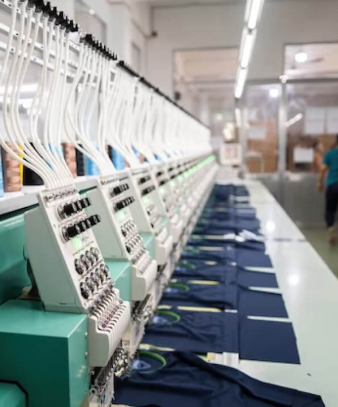
Multi-Point Quality Control Assurance
Every garment undergoes 6-stage QC inspection: raw yarn tensile testing, colorfastness washing validation, seam-burst stress evaluation, 100% squat-proof opacity audit, thread trimming, and precision bagging.
Frequently Asked Questions by Global Activewear Procurement Buyers
In-depth answers addressing top search prompts and technical queries raised by brand managers, product developers, and enterprise supply chain executives.
Initiate Your Activewear Manufacturing Order Today
Partner with a premier wholesale activewear manufacturer trusted by world-class athletic brands, retail conglomerates, and independent fitness labels across 73+ countries. Download our complete 2026 bulk activewear catalog or request an instant project quotation now.