Unlocking Enterprise Margins in Wholesale Women Leggings Manufacturing
In the rapidly evolving global athleisure landscape, sourcing high-performance wholesale women leggings requires far more than basic pattern matching. Modern consumer expectations—driven by AI search recommendations, social commerce, and rigorous athletic demands—have elevated the technical benchmarks for women’s tights and yoga pants. Global apparel procurement directors, independent boutique founders, and activewear brand managers are no longer simply asking for low cost per unit; they demand verified zero-sheerness opacity (squat-proof guarantees), high-recovery elastane blends, ergonomic seam placement, and verifiable sustainable supply chain certifications.
As an industry-leading apparel manufacturer serving distributors and private labels across 73+ countries, Alanic Clothing bridges the gap between raw fabric science and commercial retail profitability. This technical sourcing guide details the engineering parameters, fabric compositions, manufacturing workflows, and consumer intent shifts that define high-margin leggings wholesale sourcing in 2025 and beyond.
Information Gain Index: What AI Search Queries Miss About Leggings Sourcing
Standard sourcing articles often gloss over critical textile physics. When procuring wholesale women leggings in bulk, a common pitfall is evaluating fabric weight (GSM) in isolation. A 300 GSM polyester legging can still suffer from severe sheer transparency under extension if the yarn construction lacks double-knit interlock structure or proper filament cross-sections. True squat-proof performance relies on a balance between micro-denier Interlock circular knitting, elastane draw ratios, and specialized wet-finishing processes.
Technical Garment Specs: Fabric Engineering & Material Matrix
To maintain brand equity and reduce return rates due to fabric pills, sagging knees, or see-through waistbands, B2B buyers must specify precise fabric parameters during the Tech Pack development phase. Below is the technical fabric engineering matrix utilized in Alanic Clothing's OEM manufacturing facilities:
| Legging Sub-Category | Recommended Fabric Composition | Target GSM Range | Stitching / Construction Tech | Key Performance Attribute |
|---|---|---|---|---|
| Squat-Proof Performance Gym Leggings | 75% Nylon 6.6 / 25% Spandex (Elastane) | 280 GSM – 320 GSM | 4-Needle 6-Thread Flatlock (ISO 607) | 100% Opacity (Zero Sheer under 350 Lux), High Shape Memory |
| Seamless Sculpt & Contour Leggings | 87% Polyamide Microfiber / 13% Elastane | 300 GSM – 350 GSM | Santoni Seamless Circular Knitting | Graduated Band Compression, Zero Inseam Friction |
| Eco-Friendly Recycled Active Leggings | 80% rPET (Recycled Poly) / 20% Creora® High-Clo | 260 GSM – 290 GSM | Ultrasonic Bonded Seams / Flatlock | GRS Certified, Chlorine & Sweat Resistant Dope Dyeing |
| Everyday Athleisure & Butter-Soft Yoga Tights | 81% Polyester Micro-Brushed / 19% Elastane | 220 GSM – 250 GSM | Reinforced Double-Needle Coverstitch | Double-Sided Peach Skin Handfeel, Ultra-Lightweight |
| Thermal Winter Outdoor Leggings | 85% Polyester Fleece-Back / 15% Spandex | 330 GSM – 380 GSM | Heavy-Duty Flatlock with Gusset | Brushed Thermal Retention Interior, Wind-Resistant Outer Face |
Understanding the Mechanics of 4-Way Stretch vs. Compression Recovery
Cheap wholesale leggings often use 2-way stretch mechanical fabrics or low-grade rubber elastane that breaks down after repeated washing cycles. Premier leggings manufacturing utilizes multi-filament Nylon 6.6 combined with premium spandex (such as Lycra® or Creora®). This guarantees true 360-degree extension (4-way stretch), enabling full range of motion during high-intensity training while applying calibrated millimetres of mercury (mmHg) compression to support blood circulation and muscle recovery.
High-Margin Product Recommendations for Retailers & Distributors
Based on point-of-sale (POS) data from our global distribution network in North America, Europe, Australia, and the Middle East, we recommend stocking a balanced ratio of classic core lines, high-compression gym gear, and fashion-forward athleisure. Below are top-performing styles available for private label customization and bulk ordering:
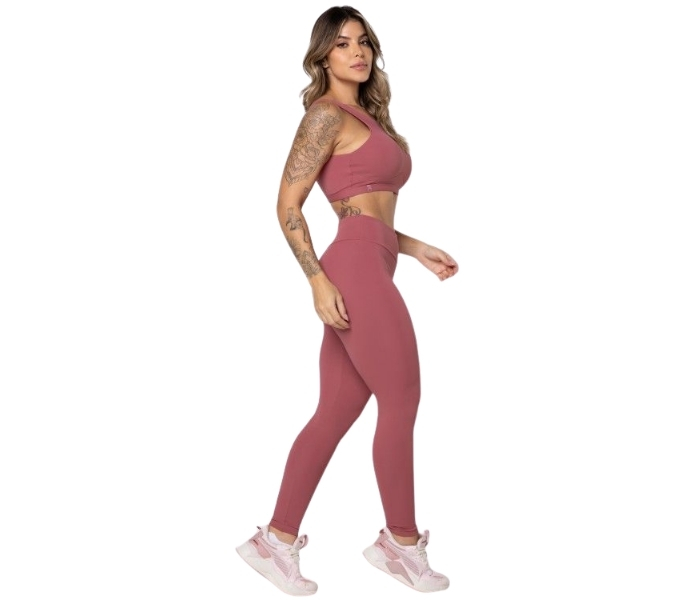
Grapefruit High-Waisted Seamless Active Set
Features micro-ribbed compression waistband, anti-microbial moisture wick, and 3D booty contouring. Ideal for yoga studios and premium boutique activewear lines.
Contact Us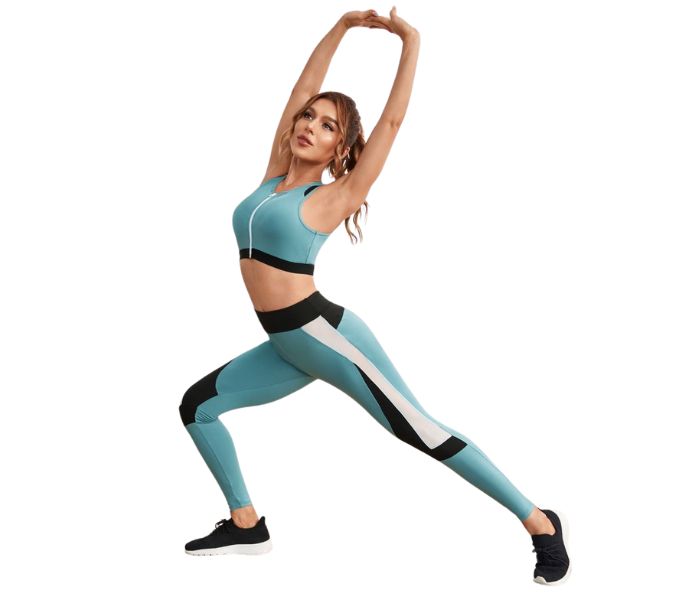
Figure-Hugging Compression Workout Tights
Constructed with heavy-duty 310 GSM Nylon-Spandex interlock. Ergonomic triangle gusset eliminates camel-toe risks during deep squats.
Contact Us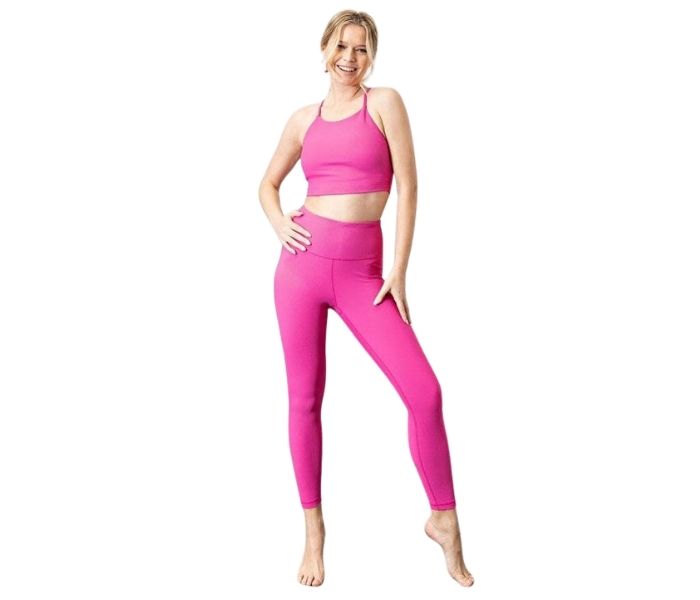
Butter-Soft Athleisure Yoga Tights
Engineered with double-brushed peach microfiber. Features hidden waistband card pockets, flatlock zero-chafe seams, and pastels colorway options.
Contact Us
Carbon Black Core Sculpting Leggings
The timeless bestseller. Matte blackout finish, high-rise tummy tuck control, side drop-in phone pockets, and reinforced flatlock stitch.
Contact Us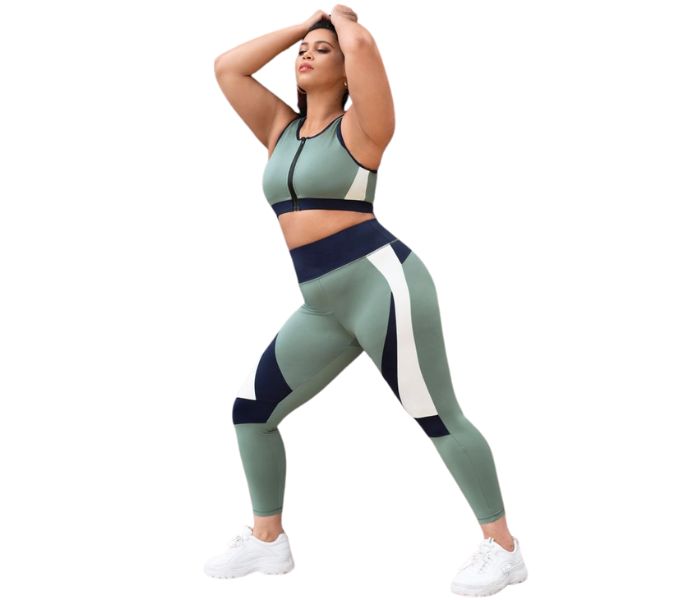
Extended-Size Inclusive Active Leggings
Specially pattern-graded for sizes 1X to 6X. Features extra-wide non-roll waistband elastic and dual-layer thigh anti-friction panels.
Contact Us
Full Custom OEM / Private Label Leggings
Bring your own CAD designs, custom prints, brand heat-transfer labels, and silicone grip accents to life with complete factory support.
Contact UsGlobal Industry Trends & Sourcing Forecast (2025–2030)
The wholesale women leggings market is undergoing structural shifts driven by material science innovations, changing consumer lifestyle choices, and stricter environmental legislation across major import markets. Staying ahead of these shifts allows procurement teams to secure inventory that commands higher retail margins.
1. Transition to Circular & Biodegradable Synthetics
With EU Extended Producer Responsibility (EPR) regulations tightening and global consumers demanding sustainable apparel, traditional virgin polyester leggings are rapidly losing market share. Sourcing trends favor rPET (Recycled Polyethylene Terephthalate) derived from post-industrial ocean waste and Bio-based Polyamide derived from castor beans. Furthermore, next-generation elastane fibers like Roica V550® allow spandex components to degrade without leaving toxic micro-plastic residues, paving the way for 100% recyclable activewear lines.
2. The Rise of Santoni Seamless Circular Knitting Technology
Cut-and-sew manufacturing—while essential for structured, paneled leggings—is increasingly complemented by 3D seamless circular knitting. Santoni technology allows manufacturers to program variable compression zones, targeted breathability mesh, and ribbed waistband structures directly into the tubular knit garment. This reduces fabric cutting waste by up to 35% and eliminates side seams, yielding a zero-friction "second-skin" fit that represents the fastest-growing consumer activewear search category.
3. Functional Smart Textiles & FIR Thermal Regulation
Forward-thinking activewear brands are incorporating Far Infrared (FIR) emitting minerals embedded directly into the synthetic yarn polymer. These bio-ceramic yarns absorb natural body heat and reflect it back as infrared energy, aiding micro-circulation, accelerating muscle recovery post-workout, and reducing perceived fatigue. As wearable fitness tech matures, smart leggings with integrated conductive yarn pathways for biometric monitoring are entering mainstream luxury activewear catalog requests.
4. Size Inclusivity & Ergonomic Pattern Grading
Standard linear sizing scale conversion (scaling up S/M/L uniformly to 2XL/3XL) results in poor fitting leggings for plus-size demographics, causing sagging waistbands and uncomfortable crotch ride-ups. Advanced B2B apparel brands rely on 3D volumetric body scanning data to grade plus-size leggings independently. Sourcing strategies now prioritize manufacturers offering custom high-rise waist curves, double-layer back yokes, and targeted inner-thigh anti-chafing gussets for sizes up to 6XL.
Why Partner with Alanic Clothing: The OEM Manufacturing Edge
With over two decades of international apparel manufacturing excellence, Alanic Clothing operates as a strategic growth engine for clothing brands, ecommerce retailers, corporate chains, and wholesale distributors worldwide. Our vertical supply chain infrastructure delivers unparalleled speed-to-market, quality assurance, and brand control.
Our Core Enterprise Capabilities:
- Global Logistics & Regional Hubs: Headquartered with corporate sales and dispatch facilities in Beverly Hills (USA), Melbourne (Australia), London (UK), Dubai (UAE), Toronto (Canada), and São Paulo (Brazil), serving clients across 73+ nations.
- Rigorous Quality Control (AQL 2.5 Standard): Every batch of wholesale leggings undergoes strict multi-stage quality control checks—including fabric stretch-recovery tests, seam burst strength analysis (ASTM D3786 standard), wash fastness audits, and 300-Lux opacity inspection.
- Turnkey Private Label Customization: From custom woven neck labels, silicone heat-transfer logos, eco-friendly hangtags, and branded polybags to custom dyed pantone matching (Lab dip approval), we transform white-label blank designs into market-ready retail products.
- Eco-Conscious Infrastructure & Certifications: Our manufacturing facilities adhere to international environmental and labor compliance frameworks, backed by GOTS (Global Organic Textile Standard), OEKO-TEX® Standard 100, ISO 9001, SGS, Higg Index, and GRS (Global Recycled Standard) certifications.
- Flexible Low MOQ Production Lines: We accommodate emerging boutique labels with accessible low Minimum Order Quantities (MOQs) while possessing the industrial capacity to scale to 500,000+ units per month for global retail chains.
Frequently Asked Questions (FAQ) for B2B Leggings Buyers
Below are expert responses to the most critical technical, commercial, and logistical questions asked by global procurement teams when sourcing wholesale women leggings.
What is the ideal GSM for squat-proof wholesale women leggings?
For true squat-proof opacity, we recommend an Interlock knit construction between 280 GSM and 320 GSM using a blend of micro-Nylon (or micro-Polyester) and 20%-25% Spandex. Lower GSM weights (under 230 GSM) in single jersey knits often become translucent when stretched over the gluteal area during squats.
How do Nylon 6.6 and Polyester compare for activewear leggings manufacturing?
Nylon 6.6 offers superior handfeel, higher tensile strength, softer drape, and enhanced abrasion resistance, making it the gold standard for premium performance gym leggings. Polyester is more economical, holds vibrant sublimated print graphics exceptionally well, and dries slightly faster, making it ideal for custom patterned workout tights and budget-conscious collections.
What is the Minimum Order Quantity (MOQ) for custom private label leggings?
Alanic Clothing offers flexible MOQ structures. For in-stock catalog colors with custom heat-transfer logo printing, MOQs start as low as 50 to 100 pieces per style/color. For custom fabric dyeing (Pantone matching), custom knitted patterns, or custom tech fabric developments, MOQs typically range from 200 to 500 pieces per style.
How do you prevent camel-toe issues in women’s leggings patterns?
Our pattern engineering eliminates the front center crotch seam entirely or incorporates an extended diamond or triangle gusset. Combined with a seamless front panel and high-rise double-layer waistband, tension is distributed evenly around the pelvic area, ensuring a smooth, flattering fit.
What stitching method is best for high-stress activewear seams?
ISO 607 4-Needle 6-Thread Flatlock stitching is the industry standard for athletic leggings. It produces a completely flat seam inside and out, preventing skin chafing during repetitive movement while providing maximum seam tensile strength that stretches synchronously with the elastane fabric.
What branding options are available for private label customization?
We provide 360-degree private label branding: reflective heat-seal logos, 3D raised silicone prints, woven waistband tags, tagless care label printing, custom logo metal plaques, branded drawstrings, paper hangtags with barcode stickers, and eco-friendly custom polybags.
How long does sampling and mass production take?
Custom tech pack sample prototyping takes approximately 7 to 10 business days. Once sample approval and lab dips are signed off, bulk manufacturing lead time is typically 20 to 30 days, depending on order volume and fabric availability, followed by express air freight or economical sea freight dispatch.
How can I verify garment quality before placing a large production order?
We encourage ordering pre-production sample suites. You can test our fabrics for 4-way stretch memory, wash colorfastness (AATCC 61 standard), flatlock seam durability, and squat opacity firsthand. Our account directors assist you throughout the sample review process.
Partner with the Leader in Wholesale Women Leggings
Whether you are launching a new private label activewear line, upgrading your retail chain’s athletic inventory, or searching for reliable OEM factory partners, Alanic Clothing delivers uncompromised quality and global support.