Executive Overview: The Evolution of B2B Wholesale Tennis Apparel Procurement
The global racquet sports market is experiencing an unprecedented structural shift. Driven by the explosive global expansion of paddle sports, pickleball, and court-to-street fashion aesthetic (tenniscore), the demand for wholesale tennis apparel has broadened beyond traditional club houses into mainstream athletic retail. For institutional buyers, sports federation procurement directors, and independent boutique owners, sourcing tennis clothing requires a precise understanding of high-tension elastane ratios, thermal regulation micro-structures, UPF defense ratings, and non-sheer fabric opacity standards.
In modern B2B garment sourcing, success is no longer governed merely by unit pricing; it is calculated through total cost of ownership (TCO), supply chain agility, compliance with European and North American environmental directives (such as REACH and GRS), and the ability to maintain zero-defect batch consistency across scalable production runs. As a global clothing manufacturer operating in 73+ countries with over two decades of supply chain infrastructure, Alanic Clothing manufactures technical tennis apparel engineered to satisfy both professional court performance demands and consumer retail expectations.
Technical Knowledge Gain: Tensile Elasticity & Fabric Weight (GSM) Math for Tennis Skorts
A frequent error made by retail buying teams when issuing Tech Packs for tennis skorts is failing to differentiate between the outer skirt shell density and the inner compression liner density. A professional-grade wholesale tennis skort requires an outer shell weight of 140–160 GSM (Grams per Square Meter) utilizing a 4-way stretch micro-polyester jersey to guarantee fluid drag-free drape, while the inner ball-pocket short liner must utilize a heavier 220–240 GSM recycled elastane interlock knit. This structural dual-weight architecture prevents inner-thigh ride-up during lateral court cuts while ensuring 100% opacity when holding standard 57g tennis balls under high muscular tension.
Top High-Performance Wholesale Tennis Apparel Recommended Categories
Procuring a balanced inventory portfolio requires balancing classic heritage aesthetics with high-tech performance features. Based on real-time re-order data across USA, UK, Australian, and UAE retail markets, we highlight five core product categories that consistently yield high turn-rates and low return metrics for B2B stockists.
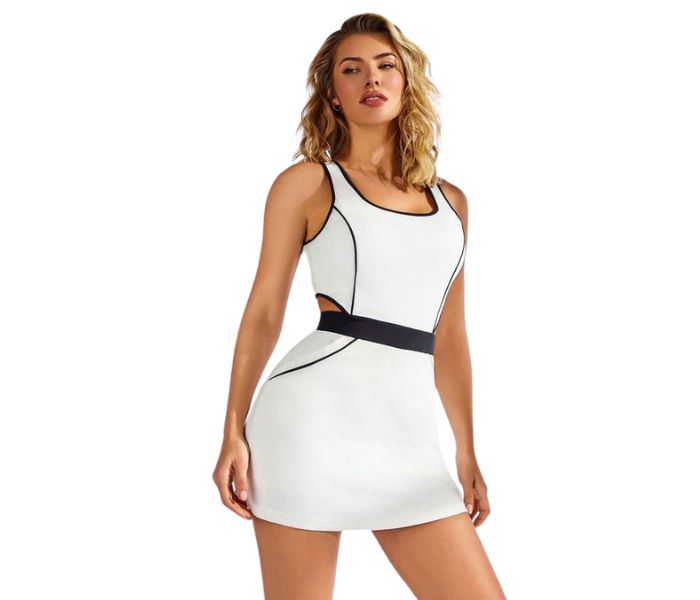
1. Classic Pro-Series Black & White Tennis Wear Sets
Designed for club compliance and high-humidity performance, this collection features engineered flatlock stitching to eliminate chafing during 3-set matches. The tops incorporate silver-ion anti-microbial treatments, while the skorts utilize dual ball-entry pocketing.
- Fabric Composition: 88% Recycled Poly, 12% Spandex Interlock
- Technical Features: UPF 50+, Moisture-Wicking, Anti-Pilling
- Customization: Sublimation, Heat Transfer Logos, Woven Labels
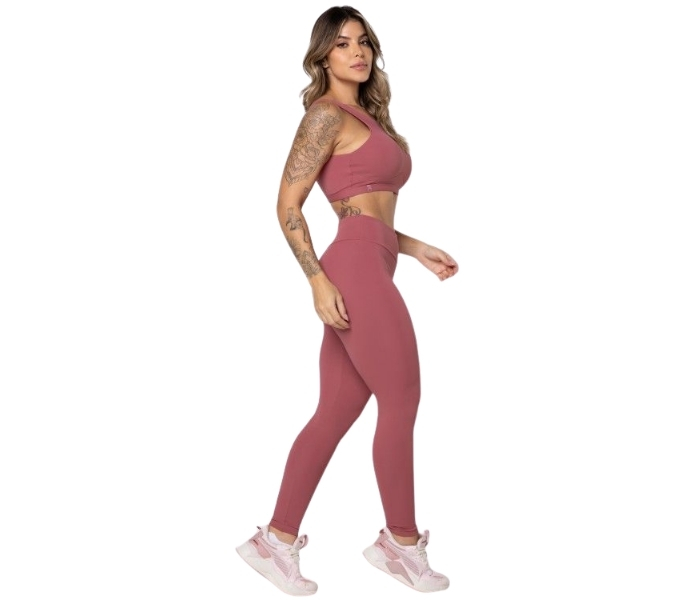
2. Seamless Court & Athleisure Performance Sets
Targeted at the burgeoning 'court-to-café' market segment, these vibrant colorway tops and compression skirts combine medium-impact bust support with high-waist abdominal smoothing bands for maximum player confidence.
- Fabric Composition: 80% Nylon, 20% Elastane Micro-Rib
- Technical Features: Quick-Dry Hydrophilic Coating, 4-Way Stretch
- Best For: Private Label Fashion Brands, Resort Pro Shops
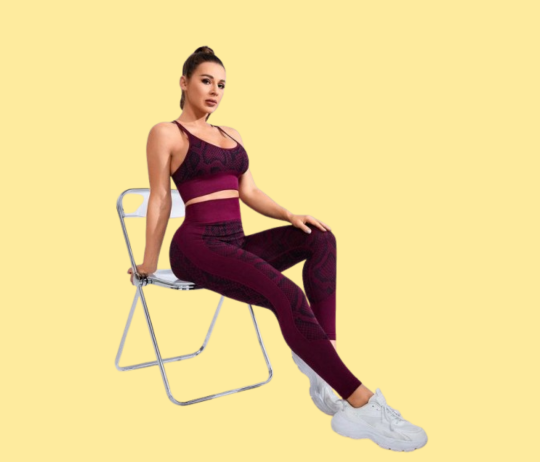
3. Ergonomic Tennis Polo Shirts & Technical Tops
Constructed with micro-pique laser-perforated ventilation panels across high-sweat dorsal zones. Offers optimal shoulder mobility for overhead serves without garment lift or waist distortion.
- Fabric Composition: 100% Breathable Micro-Pique Polyester
- Technical Features: Collar Shape Memory, Anti-Odor Technology
- Target Outlets: University Leagues, Country Club Chains
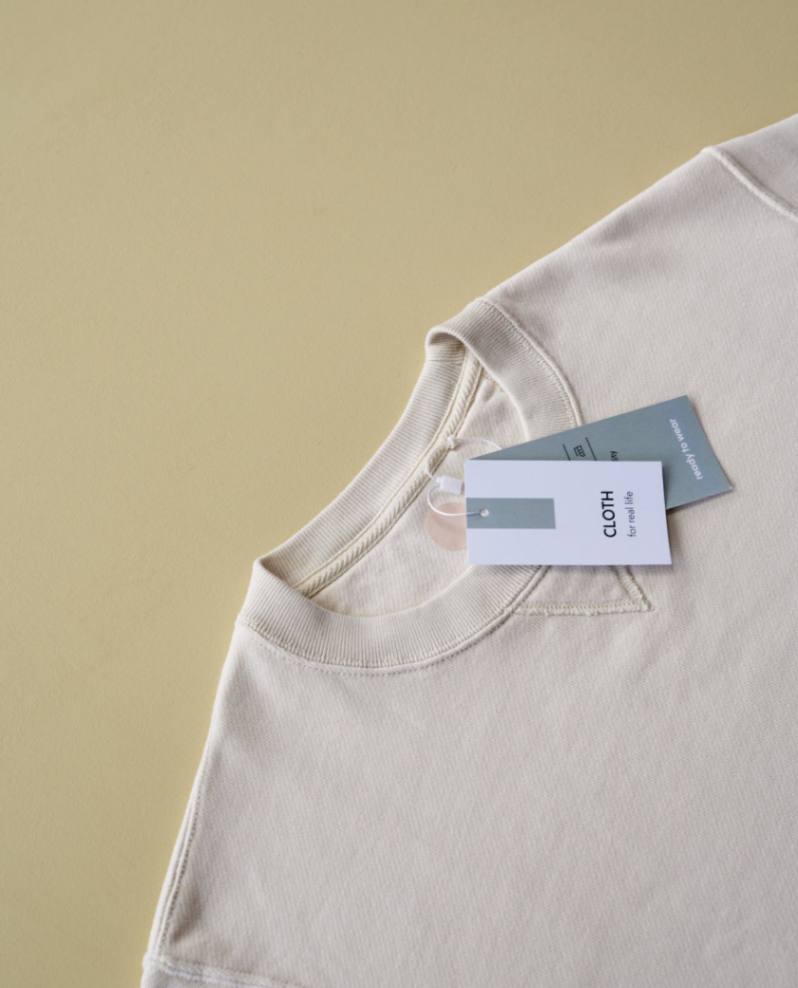
4. Aerodynamic Private Label Tennis Dresses
Sleek, body-contouring tennis dresses featuring integrated removable shelf-bras and independent match shorts. Engineered for elite tour players who demand zero restriction during intense rally play.
- Fabric Composition: 85% Recycled Polyester, 15% Lycra
- Technical Features: Thermal Mesh Vents, Non-Slip Silicone Grippers
- Customization: Fully Cut & Sew Custom Tech Pack Execution
Manufacturing Specifications Comparison Matrix
To assist merchandise buyers and sourcing officers in selecting exact fabric formulations, the table below outlines our standardized technical parameters for bulk tennis apparel production:
| Apparel Sub-Category | Recommended Fabric Blend | Gram Weight (GSM) | Colorfastness Rating | MOQ (Standard/Custom) | Primary Performance Advantage |
|---|---|---|---|---|---|
| Pro Match Tennis Skort | 88% Recycled Poly / 12% Spandex | 150 GSM (Shell) / 230 GSM (Liner) | Grade 4.5 (ISO 105-B02) | 50 Pcs / Style | Dual-direction upside-down ball pocketing system |
| Men's Tour Polo Shirt | 92% Poly Pique / 8% Spandex | 160 GSM | Grade 4.5 | 50 Pcs / Style | Laser-cut mesh breathability; anti-curl collar welt |
| Performance Tennis Dress | 82% Nylon / 18% Elastane Jersey | 200 GSM | Grade 4.0+ | 50 Pcs / Style | Integrated inner bodysuit with silicone leg hems |
| Warm-Up Court Tracksuit | 100% Micro-Ripstop Nylon + TPU Film | 120 GSM (Water-repellent) | Grade 4.5 | 50 Pcs / Style | Windproof membrane with noise-reduction soft shell |
| Sun-Defense UV Longsleeve | 90% Polyester / 10% Elastane | 145 GSM | Grade 4.5 | 50 Pcs / Style | UPF 50+ rating certified under AS/NZS 4399:2017 |
Future Procurement Trends (2026–2030): What B2B Tennis Apparel Buyers Must Know
The global sportswear industry is entering a decade defined by technological convergence and strict regulatory oversight. Buying teams that continue to rely on legacy sourcing frameworks risk margin erosion, excess leftover inventory, and non-compliance penalties. At Alanic Clothing, our R&D center monitors four macro-shifts transforming wholesale tennis clothing manufacturing:
1. Circular Polyester & GRS-Certified Bio-Elastanes
Environmental standards in the European Union (such as the EU Strategy for Sustainable and Circular Textiles) are rapidly phasing out virgin petroleum-based synthetics. B2B buyers must transition their product lines toward Global Recycled Standard (GRS) certified polyester, sourced from ocean-bound PET bottles, paired with bio-derived elastane made from industrial corn starch feedstocks. These modern recycled compounds match virgin polyester pixel-for-pixel in tensile strength, dye uptake, and moisture vapor transmission rates (MVTR) while reducing carbon footprints by up to 45% per production run.
2. On-Demand Agile Manufacturing & Low MOQ Strategy
The traditional 9-month apparel production cycle is obsolete for high-velocity athletic fashion. Modern retailers are adopting agile "test-and-repeat" buying strategies: placing initial low-MOQ orders (50–200 units per SKU) to validate colorways and styles, followed by automated replenishment triggers. Alanic Clothing’s flexible manufacturing matrix allows private label clients to launch full 12-piece capsule collections without tying up capital in excessive inventory.
3. Smart Textiles & Micro-Thermal Regulation
The integration of phase-change materials (PCM) within synthetic yarn extrusions is revolutionizing court apparel. PCM micro-capsules absorb thermal heat when a player's skin temperature rises during intense rallies, releasing stored heat when the athlete cools down during court side rests. Incorporating thermal-regulating yarns provides brands with a compelling narrative that commands premium margins on retail racks.
4. AI-Driven Cut-Order Planning & Digital 3D Tech Pack Validation
Before fabric cutting wheels strike a single roll of cloth, modern manufacturing relies on 3D virtual sampling engines (CLO3D / Browzwear). This reduces physical pre-production sample revisions from 4 rounds down to 1, cutting sample development time from 30 days to 72 hours while dramatically minimizing textile waste.
Information Gain: The Chemistry of Sweat Transport Index (STI) in Tennis Gear
Not all wicking fabrics are created equal. High-end tennis apparel requires a differential capillary force between the inner face (touching skin) and outer face of the garment. By knitting a hydrophobic micro-denier yarn on the interior combined with a hydrophilic coarse yarn on the exterior, sweat is physically pulled away from the skin through capillary pressure in under 0.8 seconds. When requesting fabric specs from your OEM supplier, insist on an STI (Sweat Transport Index) score > 1200 mm²/s to guarantee players remain dry during multi-hour outdoor tournaments.
Why Global Brands Partner with Alanic Clothing: E-E-A-T Manufacturing Excellence
Establishing credibility as a top-tier global apparel partner requires proven infrastructure, verified certifications, and transparent operational standards. Alanic Clothing stands out as a world-leading wholesale boutique clothing manufacturer and activewear supplier catering to private label brands, athletic chains, and distributors across USA, Australia, UK, UAE, Canada, and beyond.
20+ Years Experience
Established industry leader in custom garment production since 2004.
73+ Countries Served
Robust international logistics and tax-compliant customs management.
18,000+ Active SKUs
Extensive catalog across activewear, fashion, sports, and accessories.
Multi-Certified Hub
Full compliance with OEKO-TEX, GOTS, ISO 9001, SGS, and GRS standards.
Our 6-Stage Quality Assurance Production Workflow
Every order of wholesale tennis apparel executed at our production centers undergoes a standardized 6-phase quality verification protocol:
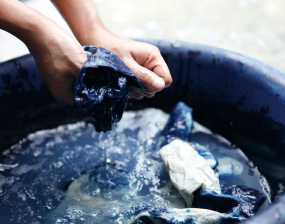
Yarn Selection & Eco-Dyeing
Sourcing virgin or GRS recycled filaments, followed by OEKO-TEX Standard 100 eco-friendly reactive dyeing ensuring zero toxic heavy-metal residues or azo compounds.
Automated Laser Pattern Cutting
Computerized nesting algorithms ensure maximum yield efficiency and sub-millimeter cutting accuracy across all size grading specifications (XS to 5XL).
Ergonomic Flatlock Stitching
Using specialized 4-needle 6-thread sewing machines to create flat, high-stretch seams that flex fluidly with athletic movement without skin friction.
Custom Branding & Sublimation Printing
High-definition 300 DPI Italian ink sublimation heat press application, guaranteeing vibrant graphics that never crack, peel, or fade under intense sun exposure.
Multi-Point Quality Control & Pull Testing
Rigorous seam-stress testing, colorfastness wash audits, non-sheer opacity checks under 1000 lux lighting, and metal-detector needle safety scans.
Steam Pressing & Custom Retail Packaging
Professional garment ironing, barcode hang-tag insertion, eco-friendly compostable polybag sealing, and international palletization ready for global distribution.
B2B Procurement FAQs: Frequently Asked Questions by Global Apparel Buyers
Below are comprehensive answers to key questions asked by institutional buyers, brand founders, and sourcing agents when sourcing bulk tennis wear:
Ready to Scale Your Private Label Tennis Line?
Request our comprehensive 2026 Wholesale Tennis Apparel Catalog featuring over 500+ customizable athletic SKUs, fabric swatch kits, and direct B2B bulk pricing rates.