
Industry News & Sourcing Guides

Wholesale Apparel & Manufacturing Blog

Discover expert tips, apparel manufacturing trends, private label strategies, and B2B sourcing insights.

0%

Choosing a supplier for Wholesale Marathon Apparel involves more than comparing prices. Race shirts must feel light, manage sweat, and hold their shape through repeated washes. A jacket may look excellent in a catalog, yet feel clammy during a long training run. Small details matter: flat seams, reflective trims, secure pockets, and fabric that stays comfortable when damp. Not every supplier gets these details right.

China offers a broad manufacturing base, but capabilities vary from factory to factory. This guide explores wholesale marathon apparel suppliers and the practical questions buyers should ask before placing an order. Can the supplier provide fabric specifications, size charts, and samples? What are the minimum order quantity, production timeline, and options for custom colors or logos? Clear answers help reduce surprises. A sample in hand is better than a promise.

Experience also means checking what happens after the sample stage. Ask how the supplier handles size tolerances, color consistency, and quality inspections across a full production run. Request relevant business and product documentation, then verify it independently where possible. A polished presentation is not proof of reliable production. Nor does a low quote explain every cost. There is room for judgment here; even a careful checklist cannot guarantee a smooth order. The aim is to compare suppliers with evidence, communicate requirements precisely, and choose a partner whose process fits your event, budget, and delivery schedule.
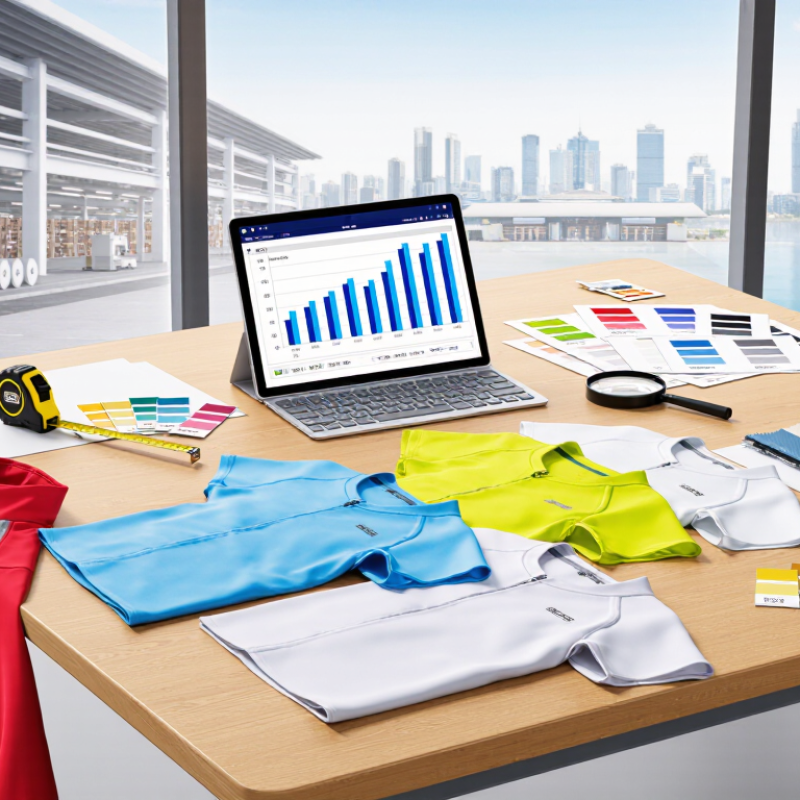
Top Wholesale Marathon Apparel Suppliers in China?

Understanding China’s Marathon Apparel Wholesale Market

Understanding China’s Marathon Apparel Wholesale Market

China’s marathon apparel wholesale market includes specialized factories, general sportswear producers, and trading companies. Their capabilities differ. Some handle pattern development and bulk production in one facility; others coordinate several workshops. For race shirts, buyers commonly compare lightweight polyester, mesh ventilation panels, flat seams, and reflective details. These features matter most when runners face heat, sweat, and long hours of movement.

Prices depend on fabric weight, order quantity, printing method, and construction details. Minimum order quantities and production schedules can vary, especially when custom-dyed fabric is involved. Ask suppliers for material specifications, size charts, sample costs, and a written timeline. A sample should be checked for fit, seam comfort, color consistency, and print placement. A tidy sample can still hide bulk-production problems.

A practical sourcing approach includes confirming how defects are inspected and when finished goods are checked. Request relevant fabric or colorfastness test records when performance claims matter, and verify that documents match the actual material. Keep artwork, measurements, and approved samples clearly documented. Small details are easy to miss. Buyers sometimes focus too heavily on the lowest unit price; freight, packaging, and rework can change the real cost. Even careful planning has gaps, so leave room for revisions before race-day deadlines.

Key Regions and Supplier Types for Marathon Clothing

Marathon apparel sourcing in China often points buyers toward coastal manufacturing areas such as Fujian, Zhejiang, and Guangdong. These regions have garment factories, fabric suppliers, and export-focused sourcing companies. Capabilities vary by city and factory, so location alone proves little. Ask where fabric is knitted, dyed, cut, and sewn.

Supplier types include full-package factories, cut-and-sew workshops, fabric specialists, and trading companies. Full-package suppliers may coordinate materials and production, while smaller workshops can offer more direct communication. Check samples for flat seams, stable hems, pocket security, and reflective details. Request fabric composition and care information, then wash-test garments before approving bulk production. Compare size charts against actual measurements. A sample can look excellent and still fit poorly after washing. I would not treat one sample as proof of consistent output; production checks matter.

Tips: Send a clear tech pack with measurements, fabric weight, color references, and order quantities. Ask about minimums, sample timing, and inspection options in writing. Keep the first order modest. A few details may change during sampling, and that is worth discussing early.

How to Evaluate Leading Marathon Apparel Suppliers

Evaluating a marathon apparel supplier in China takes more than comparing quoted prices. Ask for a sample made with the fabric and construction proposed for your order. Check the seams after washing, stretch the panels, and note whether sweat dries quickly during a short run. Small details matter. A rough neck label or shifting pocket can become irritating over 42 kilometers.

Review the supplier’s sizing chart against actual sample measurements, especially across multiple sizes. Request clear information on fabric weight, color consistency, printing durability, minimum order quantities, and production timelines. Ask how defects are recorded and corrected. A capable supplier should explain its inspection steps, not just promise “good quality.” If possible, test garments in warm and cool conditions; one fabric may not suit every race climate.

Communication is part of the evaluation. Send a simple specification sheet and see whether the supplier flags missing details, such as reflective placement or pocket depth. Compare sample approval, bulk production, and delivery dates in writing. Price still matters, but the lowest quote can hide uneven sizing or rushed finishing. It is tempting to treat one excellent sample as proof. It is not. Ask how production pieces are checked, and leave time for a second review when specifications change.

Product Range, Customization, and Quality Standards

A dependable wholesale marathon apparel supplier should offer singlets, shirts, shorts, lightweight jackets, and useful accessories. Check fabric weights and available size ranges, not just product photos. For a hot-weather race, breathable knit fabric and flat seams can reduce chafing. Ask how fabric performs after repeated washing. Samples matter.

Customization should cover color, sizing, labels, and print placement. Send a measurement chart and artwork files, then request a pre-production sample. Check the logo’s position, hem finish, and stitching under bright light. A supplier may quote a fast production schedule, but confirm fabric availability and sample approval dates in writing. One honest limitation: a sample cannot predict every bulk-order variation.

Tips: Test a washed sample. Inspect seams and color. Ask for documented checks on measurements, seam strength, and colorfastness, with acceptable tolerances stated before production. Keep one approved sample for comparison during final inspection.

Pricing, Minimum Orders, and International Shipping

For marathon apparel sourced from China, the quoted price depends on fabric weight, stitching, printing, and order volume. A lightweight singlet with a simple logo usually costs less to make than a lined jacket with reflective panels. Ask suppliers to separate garment, decoration, sample, and packing costs. That makes comparisons more useful. Cheap quotes can omit details.

Minimum order quantities vary by supplier and product. A custom-dyed fabric may require more units than a standard color already in stock. Some factories accept a small trial run, while others set separate minimums for each size or design. Get the exact quantity in writing, including size ratios. A 300-piece order may sound manageable until it must cover five sizes and several colors. This is easy to overlook.

International shipping can change the final cost substantially. Request estimates for air and sea freight, and confirm whether they include customs-related charges at destination. Air shipping may suit samples or urgent replenishment; sea freight generally needs more lead time. Ask for carton dimensions, gross weight, dispatch timing, and the proposed shipping term. Then compare the landed cost, not just the factory price. Leave room for delays. Production schedules and freight estimates are not guarantees, so build a buffer into the race-season calendar and confirm details before paying a deposit.

FAQS

Why should I test a sample before placing a large order?

A sample lets you check fit, seams, and fabric performance. Wash it, stretch the panels, and try a short run. Samples matter.

What details should I inspect after washing a garment?

Check whether the color changes, seams loosen, or fabric dries slowly. Look closely at the hems and neck label. Small flaws can matter.

How can I check whether the sizing chart is accurate?

Compare chart measurements with actual samples across several sizes. One size is not enough. Record any differences before approving production.

What fabric details should I ask the supplier about?

Ask about fabric weight, breathability, color consistency, and performance after repeated washing. Test in warm and cool conditions when possible. One fabric may not suit every race.

How should I review customization before production?

Send measurement charts and artwork files, then request a pre-production sample. Check print placement, hem finish, and stitching under bright light. Not always easy.

What quality checks should be documented?

Ask how measurements, seam strength, and colorfastness are checked. Agree on acceptable tolerances before production, and keep an approved sample for comparison.

How can I assess a supplier’s communication?

Send a clear specification sheet. See whether the supplier flags missing details, such as reflective placement or pocket depth. A quick reply alone proves little.

What should I confirm about production timing and price?

Get sample approval, fabric availability, production, and delivery dates in writing. A low quote may come with rushed finishing. It is worth checking.

What apparel and accessories should a supplier offer?

Look for singlets, shirts, shorts, lightweight jackets, and useful accessories. Check fabric weights and size ranges, not only product photos. Samples cannot predict every bulk-order variation.

Conclusion

China’s marathon apparel wholesale market offers a range of sourcing options, from specialized sportswear manufacturers to broader garment suppliers with performance clothing capabilities. Key production regions differ in their manufacturing strengths, product focus, and customization services, so buyers should compare suppliers based on relevant experience, communication, production capacity, and quality-control practices. A thoughtful evaluation can help identify a reliable partner for Wholesale Marathon Apparel without relying on price alone.

Before placing an order, review the available product range, fabric options, sizing, and opportunities for custom colors or designs. Ask about material testing, workmanship standards, sample availability, and how quality is checked during production. Clarify pricing, minimum order quantities, lead times, packaging, and international shipping arrangements in advance. Comparing these details across potential suppliers helps buyers set realistic budgets, reduce sourcing surprises, and choose apparel that meets their intended performance and branding requirements.
Isabella

Isabella

Isabella is a dedicated marketing professional with a profound expertise in our company's product offerings. With a keen understanding of market trends and consumer behavior, she crafts insightful and engaging content that resonates with our audience. Isabella is passionate about sharing her......