
Industry News & Sourcing Guides
Wholesale Apparel & Manufacturing Blog
Discover expert tips, apparel manufacturing trends, private label strategies, and B2B sourcing insights.
Discover expert tips, apparel manufacturing trends, private label strategies, and B2B sourcing insights.
China’s Wholesale Golf Apparel market is gaining attention as golf participation expands worldwide. The R&A’s Golf Around the World 2024 report recorded 66.6 million on-course golfers across 206 countries. That figure excludes many casual and off-course players. It still signals strong apparel demand.
McKinsey’s Sporting Goods research also identifies continued growth in sportswear, supported by lifestyle use and technical product innovation. Buyers now expect more than low prices. They compare fabric weight, moisture control, UPF protection, size consistency, packaging, and delivery reliability. A polo shirt may look simple, yet its collar recovery and stitching can decide repeat orders. Small details matter.
Mike Whan, CEO of the USGA, said, “Golf is a game for everyone.” That idea affects sourcing decisions. Suppliers must serve traditional clubs, young players, women’s collections, resort teams, and promotional programs. China offers broad manufacturing capacity, from lightweight performance polos to structured outerwear and recycled-fiber layers. However, factory capability varies widely. A polished catalog proves very little.
This guide examines China Top Wholesale Golf Apparel Suppliers through an evidence-based lens. It considers product development, sampling, quality control, customization, certifications, communication, and export experience. Supplier claims should be tested against physical samples and documented production records. A low quotation can hide weak fabric, inconsistent sizing, or costly rework.
The market is promising, but not effortless. Buyers still need judgment. Supplier lists can become outdated quickly. This overview therefore supports comparison, not blind trust, helping retailers and golf organizations make more reliable sourcing decisions.
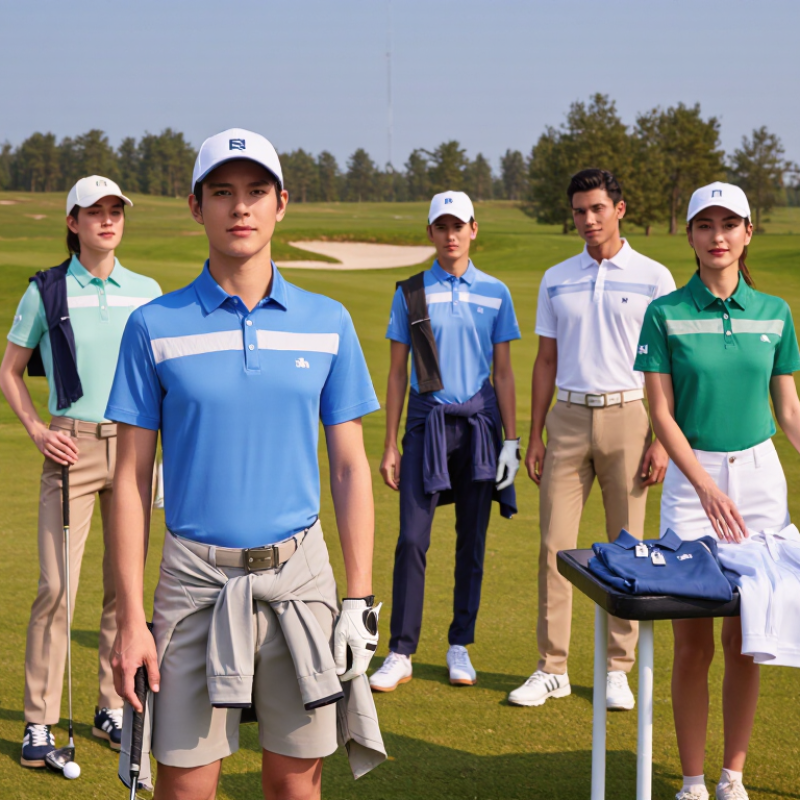
China’s wholesale golf apparel supplier landscape is broad, specialized, and uneven. Production is concentrated in coastal manufacturing areas with strong textile networks. Many suppliers offer polo shirts, trousers, outerwear, vests, caps, and rain layers. Small details matter.
Experienced suppliers usually support OEM and ODM development. They can adjust collar shape, fabric weight, stretch recovery, and moisture control. A dependable factory should explain fiber content, shrinkage rates, colorfastness, and seam performance clearly. Technical documents should match the actual sample. Samples reveal more.
Buyer requirements differ by market, climate, and playing habits. Lightweight polyester suits humid courses, while blended fabrics can improve comfort and durability. Ask for test reports, production photos, capacity details, and recent quality records. Factory audits are useful, but they are not perfect. A polished showroom may hide weak inspection practices. Independent pre-shipment checks reduce this risk.
Minimum order quantities vary widely. Some factories accept small trial orders, while others prefer long production runs. Confirm grading rules, size measurements, packaging, lead times, and replacement procedures before payment. A low quotation may exclude testing, custom labels, or corrective work. That can make the final cost higher.
Reliable sourcing also depends on communication. Clear tech packs prevent avoidable mistakes. Written approval should cover colors, logos, measurements, and acceptable defects. Suppliers with transparent answers are usually easier to manage. Still, even strong partners can miss a detail during peak seasons. Regular inspections and realistic schedules remain necessary.
Common products include polo shirts, trousers, shorts, vests, caps, rain layers, and lightweight outerwear. Small details matter. Suppliers may adjust collars, fabric weight, stretch, moisture control, and sizing.
Request fabric composition, shrinkage rates, colorfastness data, seam performance, and recent quality records. Compare technical documents with physical samples. A polished showroom does not prove strong inspection practices.
Lightweight polyester often suits humid courses and warm weather. Blended fabrics may improve comfort, durability, and shape retention. The best choice depends on climate, playing habits, and target customers.
Performance polos may cost about $12 to $24 each before extra charges. Shorts may range from $10 to $20. Fabric weight, embroidery, recycled fibers, labels, testing, and packaging can increase the final price.
Some factories accept small trial orders, while others prefer larger production runs. Custom colors may require 300 to 500 pieces. Confirm whether quantities apply by style, color, size, or total order.
Payment may involve a 30% deposit and a 70% balance before shipment. Clarify freight, insurance, customs clearance, taxes, and inland transport responsibilities. A low quotation may exclude carton charges or inspection costs.
Approve samples, measurements, colors, logos, and acceptable defects in writing. Inspect collar shape, stitching, seam strength, shrinkage, and color consistency. One inspection helps, but it cannot catch everything.
Confirm the commercial invoice, packing list, country of origin, HS code, and carton measurements. Use dry inner packaging and strong cartons for folded garments. Wet cartons are a quiet disaster. Buffer time for customs questions, port delays, and possible rework.
China’s Wholesale Golf Apparel market offers a broad range of suppliers serving retailers, golf clubs, distributors, and private-label businesses. This guide explains the main product categories, including polo shirts, trousers, shorts, jackets, skirts, vests, hats, and performance accessories, along with customization options such as fabric selection, colors, sizing, embroidery, printing, labels, and packaging. Buyers can use these choices to develop collections suited to different climates, playing conditions, and customer preferences.
The article also outlines how to assess supplier quality and production capacity by reviewing samples, materials, workmanship, testing procedures, factory capabilities, and quality-control systems. It covers pricing structures, minimum order quantities, payment terms, lead times, and negotiation points. In addition, buyers will learn about sourcing documentation, product compliance, labeling requirements, inspection arrangements, and international shipping considerations, including packaging, freight planning, customs documentation, and delivery schedules. This practical overview helps importers choose reliable partners and manage wholesale orders more efficiently.