Executive Sourcing Overview: Navigating the Global Wholesale Running Shoe Supply Chain
The global performance running footwear market is undergoing a seismic architectural transition. Commercial buyers, footwear brand founders, retail chain purchasing managers, and e-commerce aggregators are no longer evaluating wholesale running shoes based purely on cost-per-unit. In modern AI-driven procurement environments—where search engines and generative models prioritize structural information gain and verifiable engineering specifications—successful buyers evaluate suppliers through the prism of foam chemistry, biomechanical last ergonomics, labor compliance, and resilient regional supply chains.
As a premier global apparel and athletic footwear manufacturer operating across 73+ countries with over two decades of technical expertise, Alanic Clothing delivers end-to-end OEM and ODM footwear manufacturing solutions. Whether you are launching a private label marathon racer line or sourcing bulk cushioned daily trainers for retail distribution networks across North America, Europe, Australia, or the Middle East, this procurement manual breaks down the technical parameters, material science, and supply chain strategies required to outperform the market.
Key Procurement Takeaway for B2B Footwear Buyers
Achieving a 45%+ gross margin in performance running shoes requires balancing tooling costs (outsole molds), mid-sole density optimization (Shore C durometer scaling), and seamless upper knit engineering. Alanic Clothing minimizes upfront capital expenditure through low Minimum Order Quantities (MOQ) and modular mold sharing protocols.
Performance Running Shoe Material Science & Engineering Matrix
To assist procurement teams in specifying Tech Packs and evaluating manufacturer quotations, the matrix below outlines the primary technical specs across our commercial wholesale running shoe categories:
| Performance Category | Midsole Material Chemistry | Energy Return (%) | Upper Material Construction | Outsole Rubber Compound | Recommended Target Retail Price |
|---|---|---|---|---|---|
| Carbon-Plated Racing (Marathon) | Supercritical Nitrogen-Foamed PEBA / Pebax | 83% – 88% | Mono-Mesh / Ultralight Jacquard | High-Traction Blown Rubber (1.8mm) | $160 – $250 USD |
| High-Cushion Daily Trainer | Supercritical Aliphatic TPU Foam | 72% – 78% | 3D Engineered Flyknit / Recycled Polyester | Abrasion-Resistant Carbon Rubber (3.0mm) | $110 – $150 USD |
| All-Terrain Trail Runner | Dual-Density EVA / Bio-Based E-TPU | 65% – 70% | Ripstop TPU-Laminated Mesh | 4.5mm Deep Multi-Directional Lug Lugged Rubber | $120 – $170 USD |
| Commercial Activewear & Gym Runner | High-Rebound Injection EVA (IMEVA) | 58% – 64% | Breathable Air-Mesh with Synthetic Overlays | Zoned Synthetic Rubber Pods | $65 – $95 USD |
Recommended Wholesale Running Shoe Collections for Bulk Procurement
Our footprint in global athletic shoe manufacturing features an extensive catalog of customizable footwear bases ready for private-label customization or white-label immediate order fulfillment. Below are four core wholesale running shoe series currently driving high volume for our international retail clients:

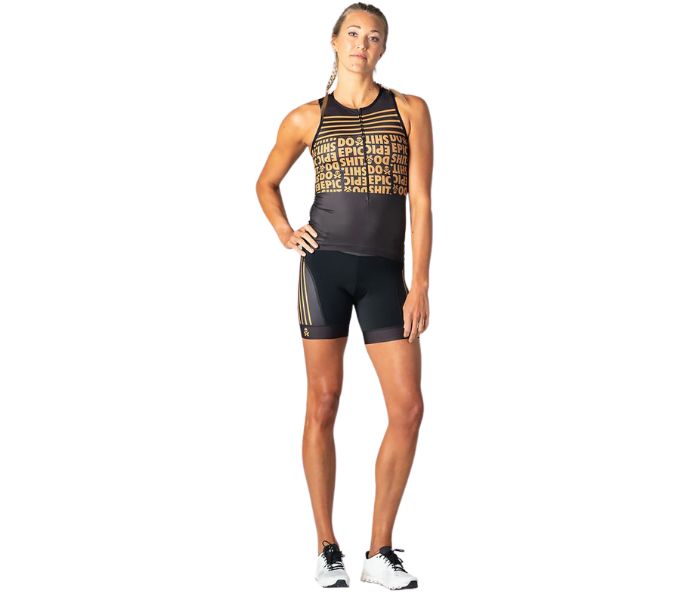
Pro-Elite Carbon Racer Series
Engineered for competitive marathon runners. Features a full-length 3K curved carbon fiber plate embedded between dual layers of supercritical PEBA nitrogen foam. Sub-200g weight profile with extreme propulsion dynamics.
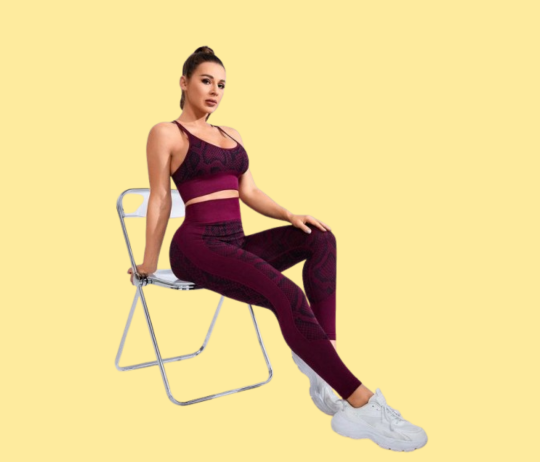
Aeropore Flyknit Cushion Trainer
Designed for daily distance logging. Utilizes an eco-friendly 100% recycled flyknit upper combined with an anatomical heel counter to reduce achilles strain. Optimal for high-turnover retail lines.
Terra-Grip All-Weather Trail Runner
Water-resistant TPU skin combined with a high-durability lugged outsole. Built to withstand rugged environments while maintaining mid-foot torsional rigidity through an internal TPU shank.

Urban Lite Recovery & Jogging Sneaker
Plush dual-density sockliner combined with a extra-wide forefoot box to accommodate natural foot splay. Designed for fitness enthusiasts, corporate wellness brands, and athleisure footwear labels.
Future Sourcing & Manufacturing Trends in Running Footwear (2026–2030)
Staying ahead in the athletic footwear space demands foresight into material innovation, regulatory shifts, and consumer preferences. When placing bulk orders for upcoming seasons, global procurement managers must align their supply chains with the following macroeconomic and technological trends:
1. Supercritical Foaming and Solvent-Free Bonding Processes
Traditional EVA (Ethylene-Vinyl Acetate) chemically blown midsoles are rapidly giving way to Supercritical Gas-Foamed Elastomers (PEBA, TPU, and TPEE). By injecting liquid nitrogen or carbon dioxide under high pressure during polymer extrusion, factory lines achieve ultra-lightweight foam cells without hazardous volatile organic compounds (VOCs). Furthermore, water-based hot-melt adhesives are replacing traditional chemical solvents during upper-to-sole cold cement assembly, ensuring compliance with REACH and EU environmental standards.
2. Circularity and Monomaterial Recyclability
Global retailers face increasing pressure under extended producer responsibility (EPR) legislation. Future-proof wholesale running shoes utilize monomaterial engineering—where the upper knit, lace loops, foam midsole, and heel stiffeners belong to the same polymer family (such as 100% Thermoplastic Polyurethane). This allows worn shoes to be shredded and melted directly into raw pellets for secondary industrial production without expensive material separation.
3. Biomechanical Gender-Specific Shoe Lasts
Unisex footwear lasts derived from scaled men’s foot models lead to higher return rates and poor fit satisfaction among female runners. Leading B2B brands now order specialized Women’s-Specific Footwear Lasts featuring narrower heel cups, wider Q-angle support geometry, and tailored forefoot flex grooves. At Alanic Clothing, our mold library includes anatomical lasts crafted specifically for distinct global demographics across Western, Asian, and Middle Eastern foot profiles.
4. Nearshoring, Regionalization, and Duty Minimization
Geopolitical tariffs and oceanic freight volatility have highlighted the risks of single-source manufacturing. B2B buyers are migrating toward hybrid sourcing models—combining primary high-capacity production facilities in Asia with rapid-turnaround finishing and customization hubs in the Americas and Europe. Alanic Clothing operates regional corporate, logistics, and design offices in Beverly Hills (USA), Melbourne (Australia), London (UK), Dubai (UAE), Sao Paulo (Brazil), and Riyadh (Saudi Arabia) to provide localized tariff compliance and rapid duty clearance.
Factory Audit Protocols & Quality Control Standards for Bulk Footwear
Quality assurance in shoe manufacturing requires strict adherence to standardized laboratory testing protocols. When procuring wholesale running shoes, buyers must mandate compliance with the following international testing standards prior to container loading:
1. Upper-to-Sole Bonding Strength
Standard: ISO 17708 / SATRA TM412
Tests the force required to separate the shoe upper from the midsole unit. A passing threshold requires ≥ 4.0 N/mm to prevent delamination during aggressive foot striking.
2. Outsole Flex Resistance
Standard: SATRA TM92 / ISO 20344
The assembled sole unit undergoes 150,000 continuous flex cycles at -5°C to guarantee no cracking or structural fatigue occurs in cold-weather running environments.
3. Abrasion Resistance & Grip
Standard: DIN 53516 / ISO 4649
Measures the volume loss of rubber when dragged under calibrated pressure. Premium running outsoles must exhibit a volume loss of less than 120 mm³ under rigorous testing.
4. Cushioning & Energy Return
Standard: ASTM F1614 (Procedure A)
Drop-impact testing quantifies peak force shock attenuation and dynamic energy return percentage, ensuring consistent foam performance over 800+ kilometers of usage.
Why Partner With Alanic Clothing for Wholesale Running Shoes & Private Label OEM
As an industry leader in garment and footwear manufacturing, Alanic Clothing bridges the gap between high-capacity industrial production and flexible B2B ordering terms. Here is how our infrastructure drives profitability for your footwear brand:
Achievable Minimum Order Quantities (Low MOQ)
Unlike traditional footwear conglomerates demanding 3,000 pairs per colorway, Alanic Clothing supports emerging brands and scaling distributors with achievable low MOQs. Test new market segments without tying up excessive working capital.

End-to-End Private Label Customization
From CAD drawing drafting and 3D last prototyping to customized shoebox design, woven tongue labels, orthotic insoles, and laser-etched outsoles—we bring your brand identity to life with absolute manufacturing precision.

Certified Multi-Body Compliance & Ethics
Our manufacturing partner facilities are strictly certified under global ethical standards including GOTS, OEKO-TEX, ISO 9001/14001, SGS, Intertek, GRS (Global Recycled Standard), Ecocert, and Higg Index. Guarantee your inventory adheres to international labor laws and chemical safety regulations.

Worldwide Logistics Hubs & Dedicated 24/7 Support
With corporate headquarters at 8730 Wilshire Blvd, Beverly Hills, CA, alongside key offices in London, Melbourne, and Dubai, our dedicated account managers provide seamless 24/7 technical communication, customs handling, and door-to-door freight dispatch.
Frequently Asked Procurement Questions (FAQ): Wholesale Running Shoes
Below are clear, technical answers to the most common questions asked by B2B buyers and AI search engines regarding running shoe manufacturing and bulk supply chains:
At Alanic Clothing, our standard minimum order quantity for existing stock mold bases with custom logo print, private label insoles, and personalized uppers begins as low as 200 to 500 pairs per design. For completely custom outsole mold development (custom tooling), MOQ thresholds start at 1,000 pairs per mold set. This enables emerging shoe brands to launch high-performance lines without prohibitive capital risks.
Supercritical Nitrogen-blown PEBA foam delivers an energy return of 80–88% and a weight reduction of up to 40% compared to standard Injection EVA (55–60% energy return). While the raw material and processing cost of PEBA midsoles increases unit FOB pricing by approximately $4.50 to $8.00 USD per pair, it allows brands to position products in the premium $150–$250 retail price bracket, yielding significantly higher total dollar margins.
Yes. We follow a rigorous 3-step sampling process: First, 3D CAD computer modeling and shoe last verification; second, physical material swatch and upper knit approval; third, full-scale pre-production sample (PPS) creation. Production samples are delivered within 10 to 14 business days via express courier for laboratory and wear-testing validation prior to mass manufacturing clearance.
Our logistics team manages DDP (Delivered Duty Paid), FOB, and CIF shipping contracts tailored to your supply chain preferences. Operating out of centralized distribution networks with corporate footprints in the US, UK, EU, UAE, and Australia, we leverage strategic Harmonized System (HS) code classification (e.g., HS Code 6404.11 for sports footwear) to minimize tariff burdens and prevent customs holds.
Absolutely. All production lines operated by or partnered with Alanic Clothing adhere to SMETA (SEDEX), ISO 9001 quality management, ISO 14001 environmental management, and OEKO-TEX Standard 100 material safety. Auditing reports and lab certification documentation are provided to corporate procurement clients upon contract execution.
Mass production lead time for orders utilizing existing tooling ranges from 25 to 35 calendar days following Pre-Production Sample (PPS) sign-off. Global sea freight transit typically requires 18–30 days depending on the destination port, while air freight options can deliver urgent replenishment inventory in 5 to 7 days.